
The Role of Big Data in Personalized Medicine

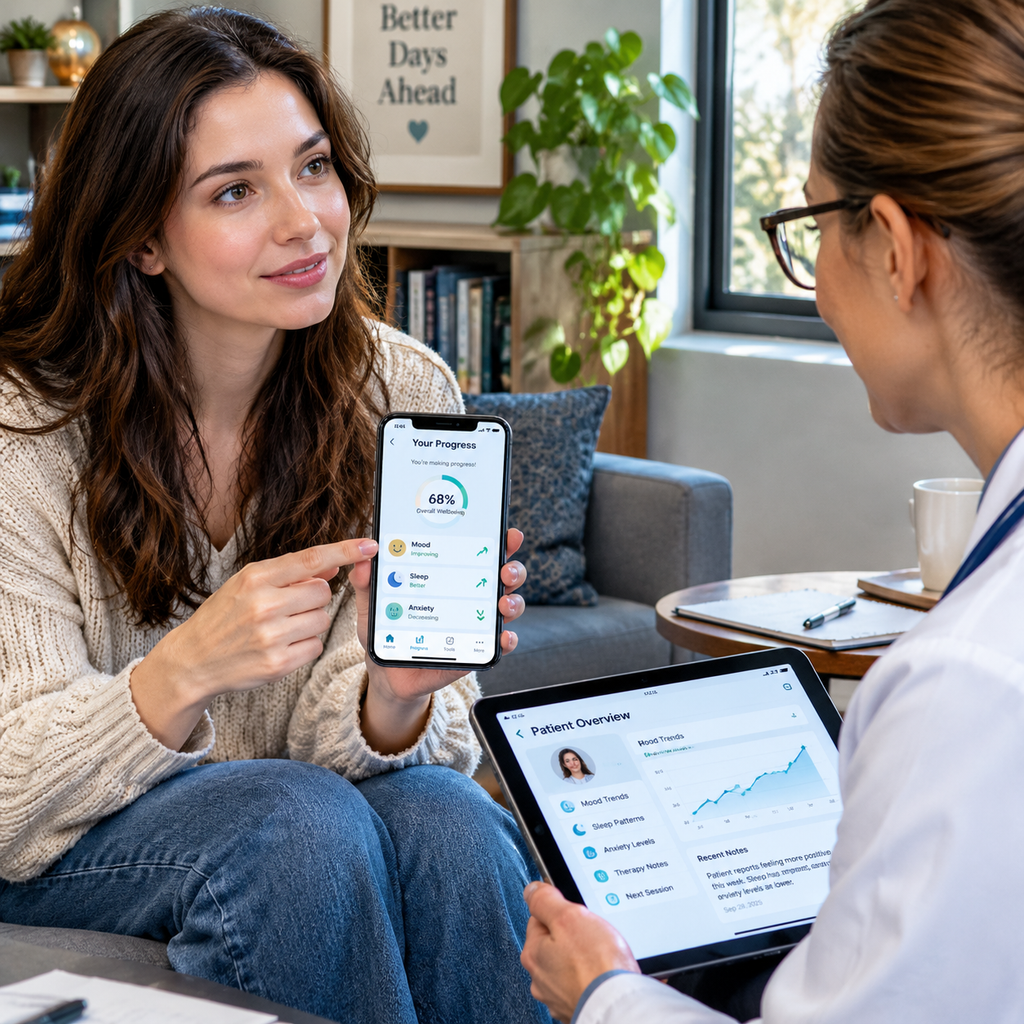
Personalized medicine uses information about an individual to guide prevention, diagnosis, and treatment. Big data makes this approach more practical by connecting genomic data, electronic health records, medical images, wearable readings, and patient-reported information at a scale no clinician could review manually.
The goal is more informed care, not automated medicine. Healthcare professionals still interpret evidence, discuss options with patients, and account for values and circumstances that databases cannot fully capture.
What Is Big Data in Healthcare?
Big data in healthcare is the large, varied, and continuously expanding collection of information used to understand health and support medical decisions. It includes structured records, laboratory results, genomic sequences, images, sensor readings, and unstructured clinical notes.
Healthcare data is often described through four characteristics: volume, variety, velocity, and veracity. Hospitals generate millions of records and images; data arrives at different speeds; formats vary widely; and accuracy is not guaranteed. These characteristics make ordinary spreadsheets inadequate for modern medical analysis.
Where healthcare big data comes from
- Electronic health records (EHRs): Diagnoses, medications, allergies, laboratory results, vital signs, procedures, and clinical notes provide longitudinal information about a patient.
- Genomic data: DNA sequencing and molecular testing can reveal inherited variants, tumor mutations, and biological features linked to disease or treatment response.
- Medical imaging: X-rays, CT scans, MRI examinations, ultrasound, and digital pathology contain visual signals that may support detection and classification.
- Wearable devices: Smartwatches and clinical sensors can record heart rate, activity, sleep, oxygen saturation, or rhythm changes over time.
- Patient-generated data: Symptoms, home blood-pressure readings, medication information, questionnaires, and mobile health applications add context between appointments.
- Environmental and population data: Air quality, social determinants of health, geography, and public-health trends can clarify risks that are invisible in an isolated medical record.
Data becomes clinically useful only after collection, cleaning, standardization, and interpretation. A large dataset with missing medication histories or inconsistent diagnoses may produce less reliable conclusions than a smaller, carefully governed dataset.
How Big Data Supports Personalized Medicine
Big data supports personalized medicine by combining different types of information to estimate an individual’s risks, likely disease course, and probable response to treatment. This broader view helps clinicians move beyond population averages while retaining clinical judgment.
Personalized medicine and precision medicine are closely related terms. Both seek more tailored healthcare, although precision medicine often emphasizes measurable biological and clinical characteristics, while personalized medicine can also include patient preferences, lifestyle, family context, and care goals.
Consider a person with type 2 diabetes. Their treatment plan may depend on glucose patterns, kidney function, current medicines, diet, activity, weight changes, socioeconomic circumstances, and previous treatment response. Genomic data might contribute useful information, but it cannot explain the entire clinical picture on its own.
From data to action
A practical workflow has four stages:
- Collect: Gather relevant clinical, molecular, imaging, lifestyle, and patient-generated data with appropriate consent.
- Integrate: Link records and convert incompatible formats into a usable, secure patient profile.
- Analyze: Apply big data analytics, artificial intelligence, machine learning, or predictive analytics to identify patterns and estimate risk.
- Interpret and act: A clinician reviews the result, explains uncertainty, and makes a shared decision with the patient.
This workflow can identify combinations of risk factors that are difficult to see in a single visit. It can also reveal when a prediction is weak because the patient differs from the population used to train the model.
Key Applications in Diagnosis, Treatment, and Prevention
Big data applications in personalized medicine include earlier diagnosis, risk prediction, treatment selection, pharmacogenomics, continuous monitoring, and preventive care. Their value depends on reliable data and evidence that the resulting tool improves clinical decisions.
Earlier and more accurate diagnosis
Machine learning can examine medical images, pathology slides, laboratory patterns, and clinical histories for signals associated with disease. In oncology, genomic and tumor data may help classify cancers into biologically meaningful subtypes. In radiology, an algorithm may flag a suspicious finding for review, helping prioritize attention rather than replacing the radiologist.
Treatment selection and pharmacogenomics
Precision oncology illustrates how diverse datasets can guide therapy. Tumor mutations, previous treatments, disease stage, laboratory results, and patient health may help identify targeted therapies or clinical trials. Pharmacogenomics adds information about how genetic variants influence the metabolism or effectiveness of particular medicines.
A genetic result should still be interpreted alongside kidney and liver function, other medications, age, disease severity, and patient preferences. Choosing a genetically informed treatment may reduce avoidable trial and error, but it does not guarantee a response.
Risk prediction and prevention
Predictive analytics can estimate the likelihood of complications such as cardiovascular events, hospital readmission, or worsening chronic disease. A care team might use those estimates to schedule follow-up, adjust monitoring, or offer preventive support earlier.
Remote monitoring and chronic disease management
Wearables and connected medical devices can show trends between appointments. A sustained change in heart rate, weight, glucose, or oxygen saturation may prompt an evaluation before symptoms become severe. The trade-off is alert fatigue: excessive or poorly calibrated notifications can burden clinicians and worry patients without improving care.
Technologies Behind Data-Driven Personalized Care
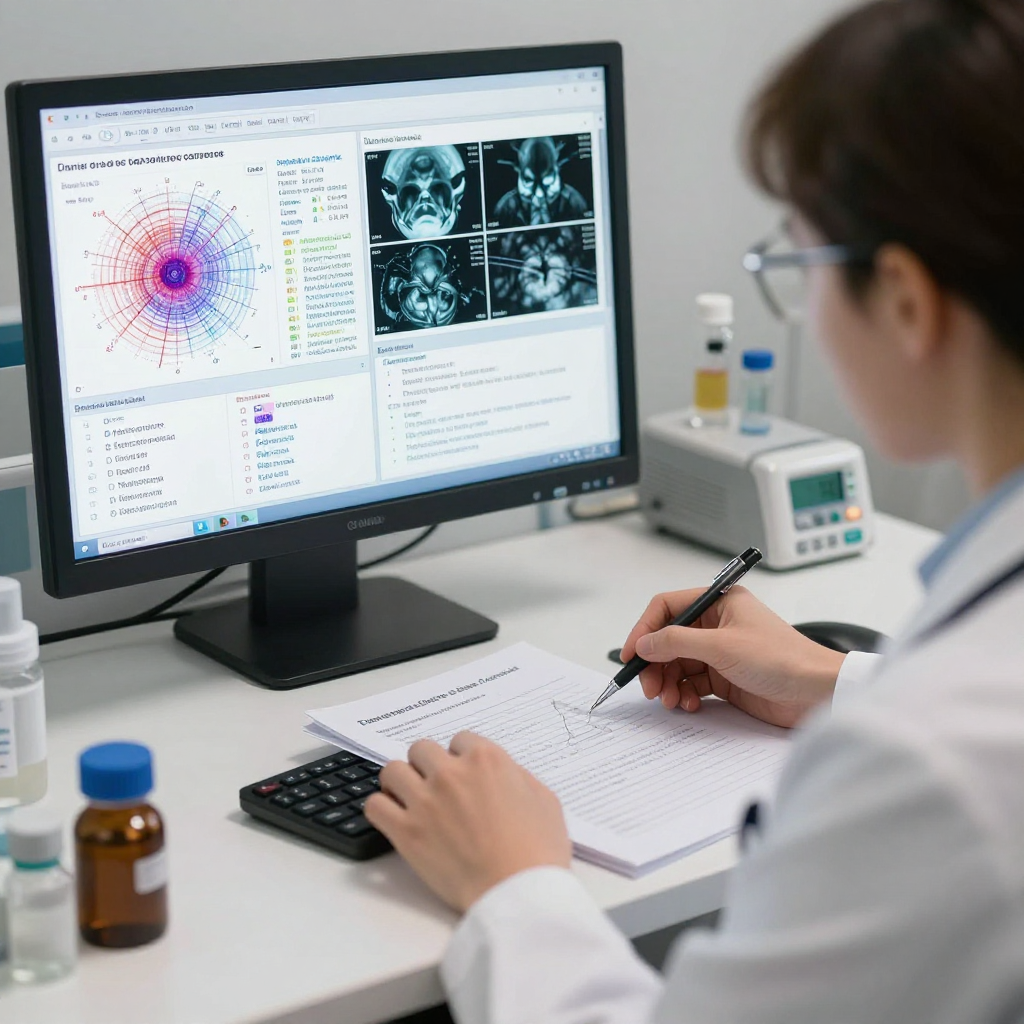
Artificial intelligence, machine learning, predictive analytics, cloud platforms, and clinical decision support systems form the technical foundation of data-driven personalized care. These tools move information from disconnected sources toward a usable clinical recommendation.
Artificial intelligence and machine learning
Artificial intelligence can process text, images, signals, and numerical data. Machine learning models learn statistical relationships from examples and can classify findings or estimate outcomes. Deep learning is particularly useful for some imaging and signal-recognition tasks, while traditional statistical models may be easier to explain and validate.
Data integration and interoperability
Interoperability allows systems to exchange and interpret information consistently. Standards such as HL7 FHIR can help connect EHRs, laboratories, imaging systems, and patient applications, although implementation remains uneven. Without integration, a hospital may have the necessary data but be unable to use it at the point of care.
Cloud computing and clinical decision support
Cloud platforms can provide scalable storage and computing for genomic analysis, population studies, and large imaging collections. Clinical decision support systems then present relevant findings inside a clinician’s workflow, such as a medication warning, risk score, or treatment guideline.
Good design matters. A recommendation that appears at the wrong time, lacks an explanation, or generates too many alerts may be ignored. The most useful tools fit existing workflows and show the evidence, confidence, and limitations behind their output.
Benefits for Patients and Healthcare Providers
Big data can make care more targeted, proactive, and consistent by helping clinicians compare an individual’s characteristics with evidence from larger patient populations. Benefits are possible, but they vary by condition, data quality, and implementation.
- More targeted therapies: Molecular and clinical profiles may help identify treatments that better match a disease subtype or likely drug response.
- Earlier intervention: Risk models and remote monitoring can reveal deterioration before a routine appointment.
- Less avoidable trial and error: Treatment history and pharmacogenomic information can inform medication choices, while still requiring medical review.
- Better decision support: Clinicians can access relevant patterns across records rather than relying only on memory or isolated test results.
- More continuous care: Patient-generated data can support follow-up for diabetes, cardiovascular disease, respiratory conditions, and recovery after treatment.
- Improved research: Well-governed datasets can help identify eligible clinical-trial participants and study outcomes across diverse populations.
For providers, the main gain is often prioritization rather than replacement. A model may help sort complex cases or identify patients needing review. However, deploying a system requires training, monitoring, maintenance, and time to investigate false positives. Technology can shift workload instead of eliminating it.
Challenges and Ethical Considerations
The main challenges of healthcare big data are privacy, security, quality, bias, interoperability, explainability, and clinical validation. These issues affect whether a personalized medicine tool is trustworthy and safe enough for real-world care.
Privacy, consent, and cybersecurity
Genomic data is particularly sensitive because it can reveal information about biological relatives as well as the person tested. Organizations need clear consent practices, access controls, encryption, audit trails, retention policies, and breach-response plans. Patients should understand whether their data supports direct care, research, commercial development, or all three.
Data quality and bias
Missing records, coding differences, outdated medication lists, and inaccurate patient-entered information can distort results. Bias may arise when training data underrepresents certain ethnic groups, ages, genders, geographic regions, or people with limited access to healthcare. A model can perform well in development and poorly in a population that was rarely represented.
Interoperability and explainability
Disconnected systems make it difficult to create a complete patient profile. Even when data is exchanged, different definitions can create misleading comparisons. Clinicians also need understandable explanations, especially when a model recommends a high-risk intervention or contradicts established clinical evidence.
Clinical validation and equitable access
A promising association is not the same as a proven clinical benefit. Developers should evaluate calibration, discrimination, false-positive and false-negative rates, subgroup performance, and patient outcomes in real clinical settings. Regulatory review may apply depending on the intended use and jurisdiction.
Access presents another concern. Advanced sequencing, specialist interpretation, and connected monitoring may be unavailable to rural, low-income, or under-resourced communities. Choosing sophisticated technology for personalization can mean accepting higher costs, infrastructure demands, and the risk of widening existing health disparities.
The Future of Big Data in Personalized Medicine
The future of big data in personalized medicine will depend on responsible integration, strong evidence, and human oversight. Advances in multi-omics, real-world evidence, federated learning, and interoperable health records may improve individualized care, but adoption should follow demonstrated clinical value rather than technological novelty.
Future systems may combine genomic, transcriptomic, proteomic, imaging, EHR, environmental, and wearable data into dynamic health profiles. Federated learning could allow institutions to train models without moving all patient data into one central repository, although it does not remove privacy risks or the need for governance.
Clinicians will remain essential for interpreting uncertainty, recognizing unusual presentations, and balancing medical evidence with patient priorities. Patients should have meaningful choices about data use and understandable explanations of recommendations. Health systems, meanwhile, need multidisciplinary governance involving physicians, nurses, data scientists, ethicists, security specialists, regulators, and patient representatives.
The strongest implementation strategy is a disciplined one: begin with a defined clinical problem, validate the tool in the intended population, measure outcomes and disparities, monitor performance after deployment, and retire systems that no longer meet safety or usefulness standards. Big data can expand the precision of healthcare, but responsible care still depends on trustworthy evidence and a relationship between informed professionals and engaged patients.
Frequently Asked Questions
How does big data enable personalized medicine?
Big data enables personalized medicine by combining genomic, clinical, imaging, lifestyle, and monitoring information. Analytics can identify individual risks and likely treatment responses, while clinicians use those findings to guide patient-centered decisions.
What types of data are used in personalized healthcare?
Common sources include EHRs, genomic data, laboratory results, medical imaging, medication histories, wearable-device readings, patient-reported outcomes, environmental information, and social determinants of health.
What are the main benefits of big data in medicine?
Potential benefits include earlier detection, more informed treatment selection, improved chronic disease monitoring, better clinical decision support, and more efficient research. Results depend on data quality, validation, and equitable implementation.
What privacy risks are associated with healthcare big data?
Risks include unauthorized access, data breaches, re-identification, unclear secondary use, and unwanted disclosure of genetic information. Strong security controls, transparent consent, limited access, and responsible data governance are required.
What challenges limit the use of big data in clinical care?
Important limitations include incomplete or biased datasets, poor interoperability, alert fatigue, unclear model explanations, unequal access, regulatory complexity, and insufficient clinical validation. Big data tools should support, rather than replace, professional judgment and patient communication.