IoT in Healthcare: How Connected Devices Can Improve Patient Outcomes
Connected devices can give care teams a clearer picture of a patient’s health between appointments. In healthcare, the Internet of Things (IoT) links medical devices, wearables, networks, and clinical systems so health information can be collected and, when appropriate, reviewed as part of care.
That connection can support earlier follow-up and more informed conversations, but it does not guarantee better outcomes. The value depends on whether the data is accurate, reaches the right person, fits clinical workflows, and leads to a useful decision.
What IoT in healthcare means
IoT in healthcare means connected devices collect or transmit health-related information to support care, operations, or monitoring. The system may include a sensor, a network connection, a software platform, and a clinician-facing application or electronic health record (EHR).
For example, a home blood pressure cuff can measure a patient’s reading and send it through a phone or cellular connection to a remote patient monitoring (RPM) platform. A care team may review readings according to an agreed protocol and contact the patient if a measurement needs follow-up. The device supplies information; a clinician interprets it in context.
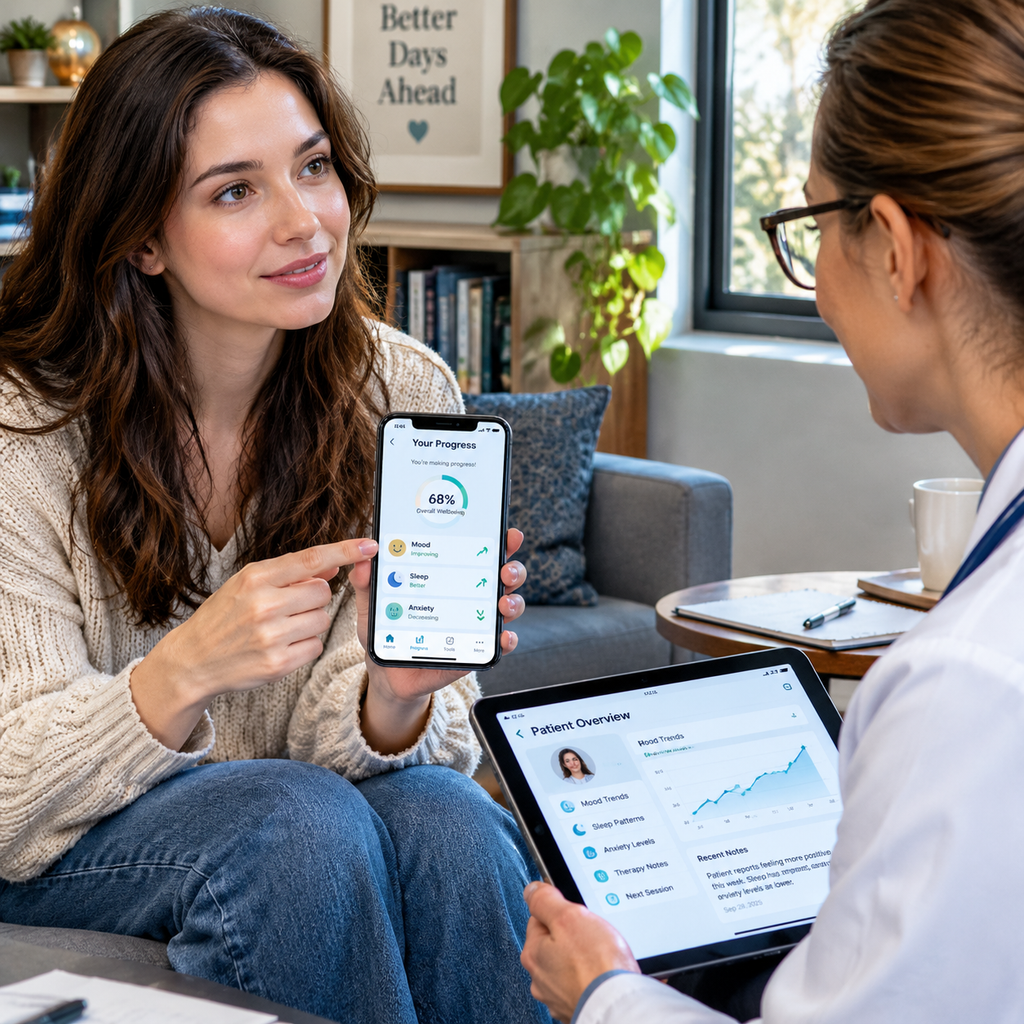
These systems can also connect to telehealth, where a clinician and patient discuss symptoms or results remotely. Patient-generated health data, such as readings entered at home, may complement information recorded during an in-person visit. It should not automatically be treated as a diagnosis or added to an EHR without appropriate validation and workflow design.
Interoperability matters because devices and software need to exchange information in usable formats. Without it, staff may have to move data manually between dashboards and EHRs, increasing friction and the chance of missed information.
Common connected devices and use cases
Healthcare IoT includes wearable health devices, home-monitoring tools, and connected equipment used in clinical settings. The appropriate device depends on the health question being monitored and the care team’s ability to act on its data.
Wearables may track measures such as heart rate, activity, sleep, or—in some products and circumstances—heart rhythm. Consumer wearables can help patients notice patterns, but their measurements and alerts are not a substitute for clinical-grade monitoring or medical advice.
Home-monitoring devices are often used in RPM programs. Examples include:
- Blood pressure monitors for patients whose care plan includes tracking blood pressure over time.
- Connected scales that can support monitoring when weight changes are clinically relevant.
- Glucose meters and continuous glucose monitors used in diabetes care, where readings can inform an agreed treatment plan.
- Pulse oximeters that measure oxygen saturation, when a clinician recommends and interprets the readings.
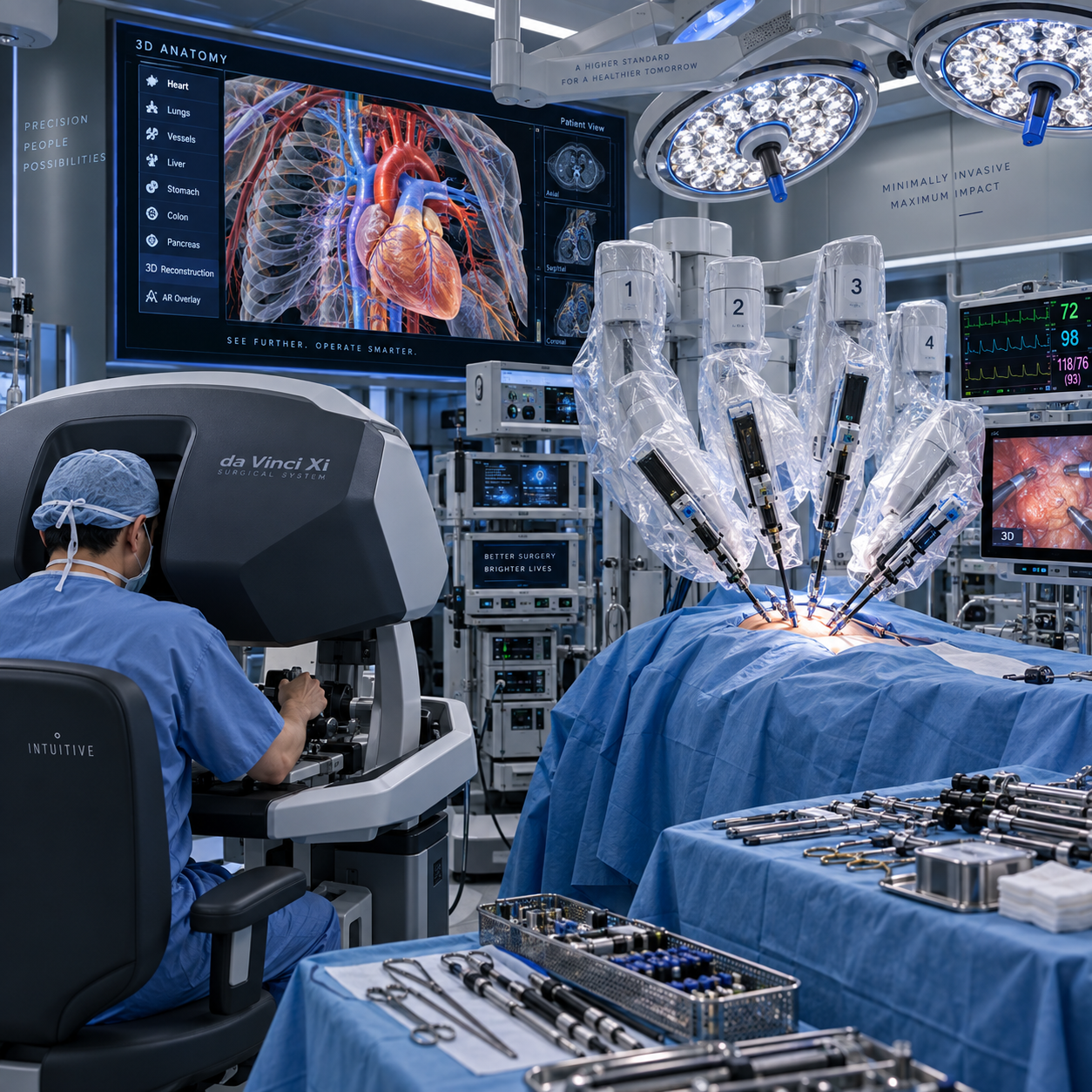
In hospitals and clinics, connected infusion pumps, patient monitors, and equipment-tracking systems can help staff observe device status or locate assets. These tools may improve visibility, but they also need reliable connectivity, maintenance, and clear procedures for responding to alarms.
How IoT can support better outcomes
IoT can support better outcomes by making selected health information available between appointments, giving care teams a chance to respond when a change warrants attention. It helps most when monitoring is tied to a defined clinical purpose, response plan, and accountable team.
With RPM, a care team might ask a patient to submit blood pressure readings on a set schedule. If readings repeatedly fall outside a personalized range, staff can verify the measurement, ask about symptoms or medication changes, and decide whether follow-up is needed. This may help address a concern sooner than waiting for the next routine visit, although it cannot ensure that deterioration will be detected or prevented.
Connected data can also support care coordination. A clinician preparing for a telehealth appointment may review a patient’s recent readings alongside symptoms, medication history, and relevant EHR information. The discussion can then focus on a pattern over time rather than a single measurement taken at the clinic.
Patients may use feedback from a device to understand their own routines and take part in self-management. Still, constant alerts can cause worry or fatigue, and readings can be affected by device fit, technique, or connectivity. Useful monitoring is selective: collect information that can inform a decision, and explain what patients should do when a reading looks unusual.
Benefits for patients and healthcare teams
Connected health technology can make monitoring more convenient for some patients and provide care teams with additional information between visits. Its practical value varies with the patient’s needs, the device, and the organization’s capacity to review and respond to data.
For patients, home monitoring may reduce the need to travel for certain checks and help them take an active role in care. A patient who can transmit readings from home may discuss several days of measurements with a clinician rather than relying on one office reading. That convenience can be limited by device cost, internet access, language needs, dexterity, vision, or comfort with technology.
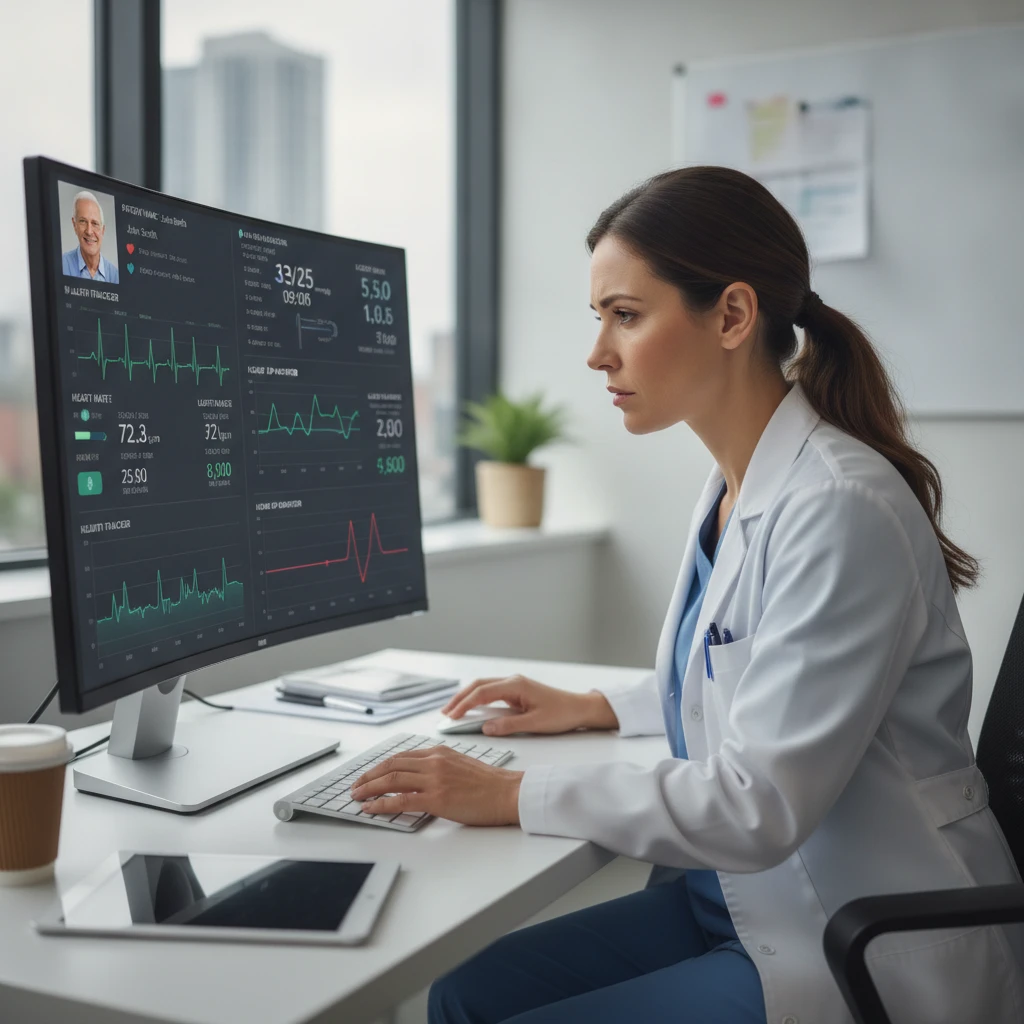
For clinicians, a consistent stream of relevant readings can reveal trends that a one-time appointment may miss. It can also support more focused follow-up. But more data does not automatically mean better decisions: teams need thresholds, escalation rules, and enough staffing to review the information responsibly.
Healthcare organizations may use connected equipment data to understand device availability or support service planning. These operational uses are different from patient monitoring and require their own safeguards and success measures. Across all uses, organizations should evaluate whether the technology improves a defined process, rather than treating the number of connected devices as a measure of success.
Challenges to address before adoption
The main challenges in healthcare IoT are protecting sensitive data, maintaining secure and reliable devices, integrating information into care workflows, and ensuring patients can use the technology. These issues need attention before rollout, not after the first connection fails.
Data privacy and cybersecurity are central concerns. Connected devices can create additional points of access to health information, so organizations should assess authentication, encryption, software updates, vendor access, data retention, and incident response. The U.S. Food and Drug Administration provides guidance on cybersecurity in medical devices, including security considerations across a device’s lifecycle.
Reliability also matters. A dead battery, weak network, incorrect cuff position, or delayed transmission can produce missing or misleading data. Patients need clear instructions on when to repeat a reading and how to contact the care team if the device or connection stops working.
Interoperability can be difficult when devices use different data formats or platforms. If information does not flow into the EHR or another approved system, clinicians may have to check several dashboards. That extra work can reduce adoption and make it harder to maintain a complete clinical record.
Accessibility and workflow fit deserve equal attention. A digital-only program may exclude people without reliable broadband, compatible phones, or confidence using an app. Offering technical help, accessible instructions, and non-digital alternatives can make a program more inclusive. Teams should also define who reviews incoming data, how quickly, and what happens outside business hours.
What to consider when choosing a healthcare IoT solution
Choose a healthcare IoT solution by starting with the clinical purpose, then evaluating data quality, integration, security, usability, and support. A device should solve a specific care or operational problem and fit the organization’s ability to use its information safely.
- Clinical purpose: Define what will be monitored, which patients may benefit, and what action could follow a reading. Avoid collecting data that no one can interpret or act on.
- Measurement and evidence: Check the device’s intended use, measurement limitations, validation information, and whether it is appropriate for the population and care setting.
- Data handling: Ask what information is collected, where it is stored, who can access it, how long it is retained, and how the vendor manages security updates and incidents.
- Interoperability: Confirm how data will reach the EHR or approved clinical platform, whether staff can see it in their usual workflow, and how errors or duplicates are handled.
- Usability and access: Test setup and daily use with patients and staff. Consider language, disability access, connectivity, device supply, and a clear support route.
- Operational ownership: Set review responsibilities, alert thresholds, escalation steps, training, maintenance, and evaluation measures before launch.
A small pilot can expose problems before wider deployment. Include the people who will use the system, define what success means, and review both benefits and workload. For example, measure whether the program delivers readings reliably and whether staff can respond within the intended timeframe; do not assume that greater data volume itself demonstrates improved care.
Frequently asked questions about IoT in healthcare
These answers summarize what connected healthcare devices do, how RPM fits into care, and why security and clinical oversight matter.
What is IoT in healthcare?
IoT in healthcare is the use of connected devices and software to collect, transmit, or use health-related information. Examples include home-monitoring devices, wearables, and connected medical equipment.
Which connected devices are used in healthcare?
Common examples include blood pressure monitors, connected scales, glucose monitoring devices, pulse oximeters, wearable sensors, patient monitors, and connected infusion pumps. Their suitability depends on the clinical purpose and device capabilities.
How can remote patient monitoring support care?
RPM can send selected home measurements to a care team for review between appointments. When a reading needs attention, staff can follow an established protocol, but patients should know how to seek urgent care rather than relying on a device alert alone.
What are the main security risks of healthcare IoT?
Risks include unauthorized access to sensitive data, insecure connections, outdated software, excessive vendor access, and interruptions to device availability. Strong security practices, ongoing maintenance, and clear response plans help reduce risk, though no connected system is risk-free.