Wearable Health Tech: Monitoring Wellness in Real-Time
A decade ago, knowing your resting heart rate required a clinic visit or at least a finger on your wrist and a stopwatch. Today, a device smaller than a watch face collects that data continuously, flags anomalies, and sends the information to your physician before you've noticed anything unusual. Wearable health technology has quietly shifted the baseline of what "monitoring your health" actually means.
What Is Wearable Health Technology?
Wearable health technology refers to electronic devices worn on or close to the body that collect physiological data continuously and transmit it for analysis. The category spans a wide spectrum — from consumer-facing smartwatches and fitness trackers to clinical-grade biosensors used in hospital-at-home programs and post-operative care.
What unites these devices is the shift from episodic to continuous health monitoring. Traditional healthcare captures a snapshot: your blood pressure reading at 9 a.m. on a Tuesday. Wearables capture the film reel — thousands of data points across days, weeks, and months that reveal patterns no single appointment could surface.
The Internet of Medical Things (IoMT) provides the broader infrastructure connecting these devices to digital health platforms, electronic health records (EHRs), and care teams. A smartwatch on your wrist is just the visible edge of a much larger data ecosystem.
Key Health Metrics Tracked by Wearable Devices
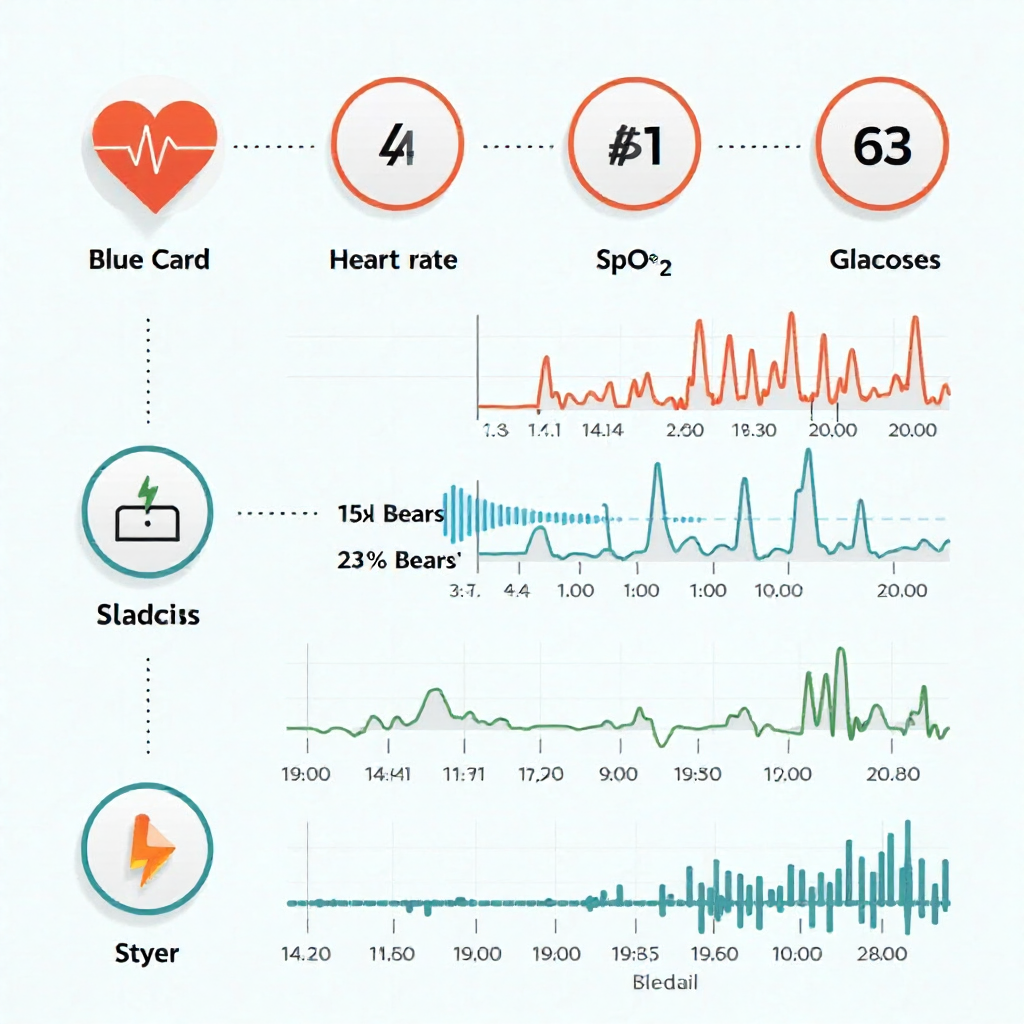
Modern wearables track a surprisingly rich set of biometric signals, each offering a different window into physiological health. Understanding what each metric means — and why it matters — helps users move beyond step counts toward genuinely actionable wellness intelligence.
- Heart rate and heart rate variability (HRV): Resting heart rate trends over time are strong indicators of cardiovascular fitness and recovery status. HRV, the variation in time between heartbeats, has emerged as a sensitive marker of autonomic nervous system balance, stress load, and even early illness.
- Blood oxygen saturation (SpO2): Photoplethysmography sensors estimate the percentage of hemoglobin carrying oxygen. Drops below 94% can signal respiratory issues, sleep apnea episodes, or altitude-related stress — data that previously required a clinical pulse oximeter.
- Continuous glucose monitoring (CGM): Subcutaneous sensors now allow people with diabetes — and increasingly, metabolic health enthusiasts — to see glucose fluctuations in real time rather than relying on fingerstick snapshots.
- Sleep patterns: Accelerometers and heart rate sensors together can distinguish light, deep, and REM sleep stages, quantifying recovery quality in ways that correlate with cognitive performance and immune function.
- Stress and electrodermal activity: Skin conductance sensors detect subtle changes in sweat gland activity, providing a physiological correlate of psychological stress that users can act on before burnout sets in.
None of these metrics operates in isolation. The real diagnostic power emerges when platforms analyze them together — a pattern of elevated resting heart rate, reduced HRV, and fragmented sleep can signal overtraining or oncoming illness days before symptoms appear.
How Real-Time Monitoring Works: The Technology Behind the Data
Real-time health monitoring depends on three interlocking layers: sensing, connectivity, and computation. Each layer has matured significantly in the past five years, making continuous monitoring both more accurate and more accessible.
At the sensing layer, optical sensors (photoplethysmography), electrical sensors (ECG electrodes), and microelectromechanical systems (MEMS accelerometers) work in parallel. Optical sensors shine light through skin and measure how much is absorbed by blood — the basis for heart rate and SpO2 readings. ECG electrodes capture the heart's electrical activity with clinical-level fidelity in newer consumer devices.
Connectivity is typically Bluetooth Low Energy for local transmission to a paired smartphone, with cellular-enabled devices allowing direct cloud upload without a phone intermediary. This matters clinically: a patient recovering at home from cardiac surgery needs their data reaching the care team even if they leave their phone in another room.
At the computation layer, cloud-based processing and increasingly on-device machine learning algorithms convert raw sensor data into interpretable insights. Algorithms trained on millions of data points can now detect atrial fibrillation from a wrist-based photoplethysmography signal with sensitivity rates that rival traditional Holter monitors in certain populations — a remarkable achievement given the inherent noise of wrist-worn optical sensors.
Clinical Applications and Remote Patient Monitoring
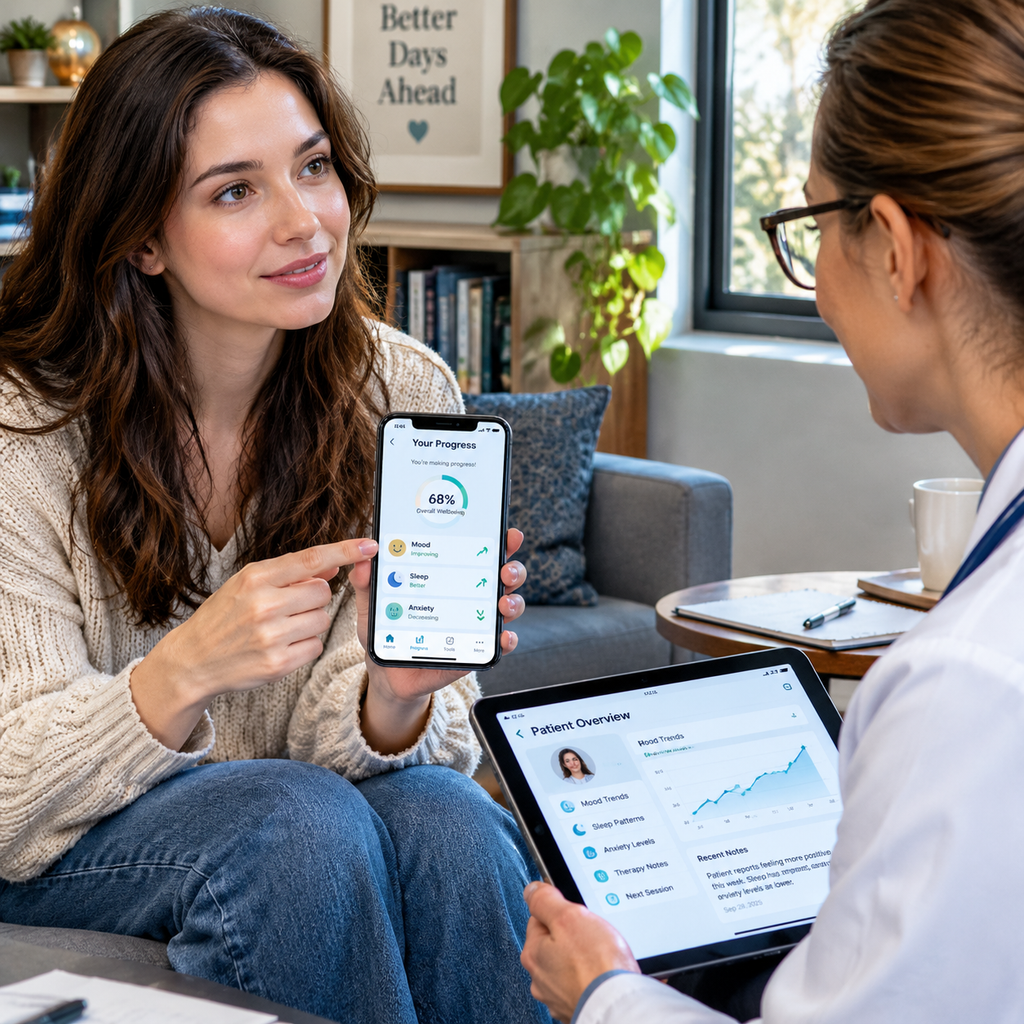
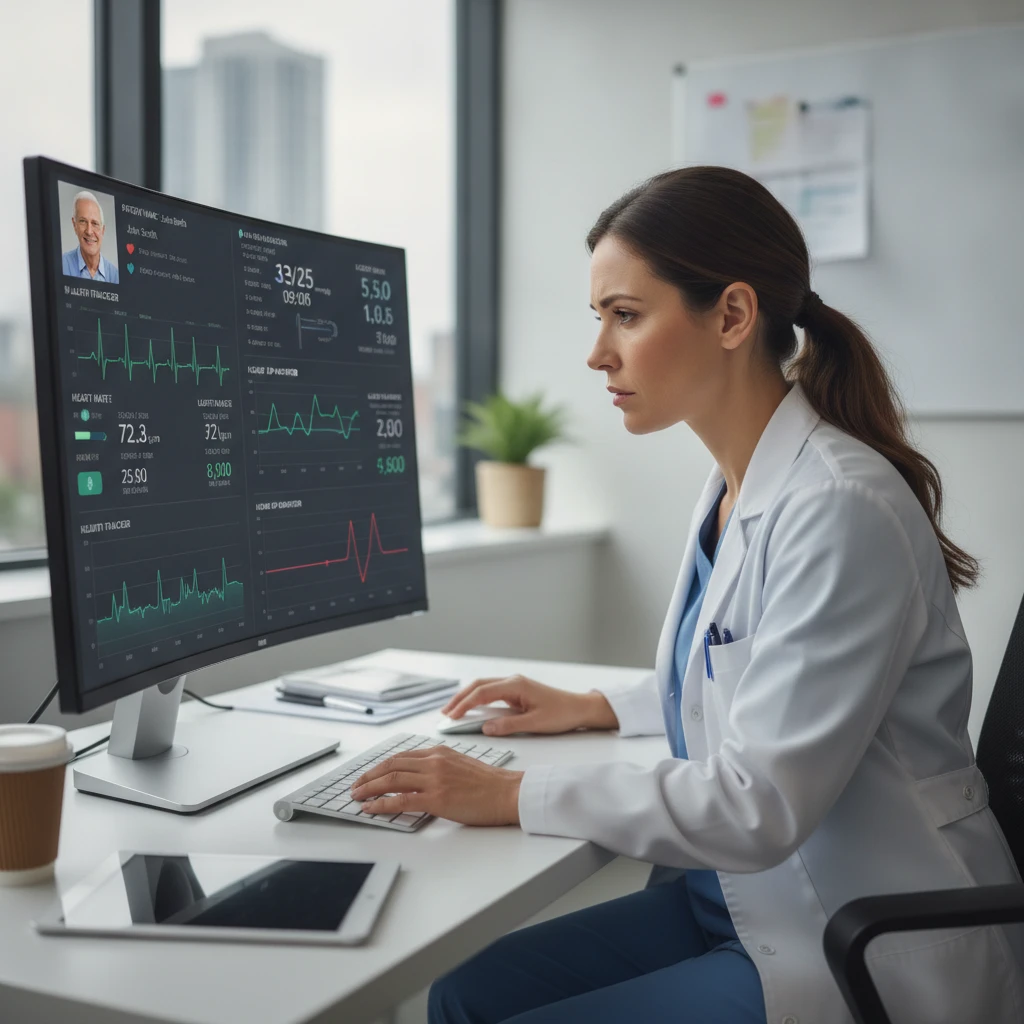
Healthcare providers are actively integrating wearable data into care pathways, particularly through remote patient monitoring (RPM) programs that extend clinical oversight beyond hospital walls. The applications are most mature in chronic disease management and post-acute care.
For patients managing heart failure, daily weight and heart rate trends detected by wearables can predict decompensation events days before hospitalization becomes necessary, enabling proactive medication adjustments. Similar logic applies to COPD management, where SpO2 trends can trigger early interventions.
Post-operative monitoring is another high-value context. Patients discharged after major surgery wearing biosensors allow surgical teams to detect early signs of infection, arrhythmia, or thromboembolic events remotely — reducing readmission rates without requiring prolonged inpatient stays.
In chronic disease management more broadly, continuous glucose monitoring has transformed diabetes care by replacing the friction of fingerstick testing with seamless, real-time data that patients and endocrinologists can review together. The behavioral impact alone — patients who can see their glucose spike after a specific meal are far more likely to modify that behavior — represents a qualitative shift in how chronic conditions are managed day to day.
Consumer Wellness vs. Clinical-Grade Wearables
The main difference between consumer fitness trackers and clinical-grade wearables is regulatory oversight and validated accuracy. Consumer devices are optimized for engagement and convenience; medical-grade devices are validated against clinical reference standards and, in many jurisdictions, require regulatory clearance before making diagnostic claims.
This distinction matters practically. A consumer smartwatch that estimates SpO2 may perform well under ideal conditions but show meaningful error at low saturation levels — precisely when accuracy is most critical. Clinical-grade pulse oximeters are validated across diverse skin tones and physiological states, a standard consumer devices are only beginning to approach.
Choosing between the two depends on the use case. For general wellness awareness, activity tracking, and sleep optimization, consumer wearables offer genuine value without requiring clinical precision. For managing a diagnosed condition, informing treatment decisions, or generating data that will influence clinical care, medical-grade devices with documented validation data are the appropriate standard.
The regulatory landscape is evolving. The FDA's De Novo and 510(k) pathways now accommodate software-based medical devices, and several consumer wearable features — including ECG apps and irregular rhythm notifications — have received clearance, blurring the line between the two categories in meaningful ways.
Data Privacy, Security, and Ethical Considerations
Health data generated by wearables is among the most sensitive personal information that exists, and the frameworks governing its collection, storage, and use vary considerably by device type and jurisdiction. Users adopting wearable technology should understand the landscape before assuming their data is protected.
In the United States, HIPAA protections apply when wearable data flows through covered healthcare entities — a hospital-deployed RPM program, for example. Consumer wellness apps operating outside the healthcare system are largely governed by their own privacy policies, which may permit data sharing with third parties including insurers, employers, or advertisers. The Federal Trade Commission has taken enforcement action in this space, but gaps remain.
Security risks are real. Biometric data transmitted via Bluetooth or stored in cloud platforms represents an attractive target. Reputable platforms use end-to-end encryption and comply with standards like SOC 2 or ISO 27001, but users should verify these commitments rather than assume them. The U.S. Department of Health and Human Services provides guidance on health data rights that is worth reviewing for anyone using wearables connected to clinical care.
The ethical dimension extends beyond individual privacy. Aggregate wearable data has enormous research value — and real potential for misuse in insurance underwriting or employment contexts. Transparent data governance policies and user control over data sharing are baseline expectations users should demand from any platform they adopt.
The Future of Wearable Health Monitoring
The next generation of wearable health technology will be defined by non-invasive sensing of biomarkers that currently require blood draws, tighter integration with clinical workflows, and AI systems that move from pattern detection to predictive intervention.
Non-invasive continuous glucose monitoring — measuring glucose through skin without a subcutaneous sensor — is the most anticipated development in the field. Multiple research groups and companies are working toward optical and spectroscopic approaches, though validated consumer products remain elusive as of mid-2026. When they arrive, the impact on metabolic health monitoring will be substantial.
AI-driven health insights are already moving beyond simple threshold alerts. Machine learning models trained on longitudinal wearable datasets can identify personalized baselines, detect deviations that would be invisible in population-level reference ranges, and generate risk predictions for conditions like sepsis, atrial fibrillation, and mental health crises with increasing specificity.
Integration with electronic health records is the infrastructure challenge that will determine how much clinical value wearable data ultimately delivers. Standardized data formats, interoperability protocols like FHIR (Fast Healthcare Interoperability Resources), and reimbursement frameworks for RPM are all advancing — slowly, but in the right direction.
The trajectory is clear: wearable health technology is moving from a consumer novelty toward a foundational layer of preventive and chronic care. The devices on people's wrists today are early iterations of what will eventually be a continuous, personalized health monitoring system that makes the annual physical look like a very coarse approximation of what health surveillance can be.
Frequently Asked Questions
Are consumer wearables accurate enough for medical use?
Consumer wearables are generally not validated to clinical standards and should not replace medical-grade devices for diagnostic or treatment decisions. For wellness awareness and trend monitoring, their accuracy is often sufficient. For clinical applications, look for devices with FDA clearance or equivalent regulatory approval.
Can wearable devices detect serious health conditions early?
Some can, within defined parameters. FDA-cleared ECG features in certain smartwatches have demonstrated the ability to detect atrial fibrillation. Continuous glucose monitors help identify hypoglycemic episodes before they become dangerous. However, wearables are screening and monitoring tools — not diagnostic instruments — and any concerning finding should be evaluated by a clinician.
How is my health data stored and who can access it?
Storage and access depend on the device, platform, and jurisdiction. Data flowing through healthcare providers is typically subject to HIPAA in the US. Consumer app data is governed by each company's privacy policy, which may allow third-party sharing. Review the privacy policy of any platform you use and look for explicit data encryption and user-controlled sharing settings.
What is the difference between a fitness tracker and a medical wearable?
Fitness trackers are consumer devices optimized for activity and wellness metrics without regulatory clearance for medical claims. Medical wearables are validated against clinical reference standards and cleared by regulatory bodies (such as the FDA) to support specific diagnostic or monitoring functions. The distinction affects accuracy standards, intended use, and data governance.
Do doctors actually use data from patient wearables?
Increasingly, yes — particularly in remote patient monitoring programs for chronic conditions like heart failure, diabetes, and COPD. Adoption varies by health system and specialty. The main barriers are workflow integration, reimbursement clarity, and data volume management rather than skepticism about the technology's potential value.